Maintaining your AGM deep cycle batteries is essential for ensuring their longevity and performance. These batteries, known for their durability and efficiency, are a popular choice for various applications including marine, RV, and solar power systems. By understanding how to properly care for your AGM deep cycle batteries, you can maximize their lifespan and efficiency. This guide will provide you with essential tips and practices for maintaining these reliable power sources.

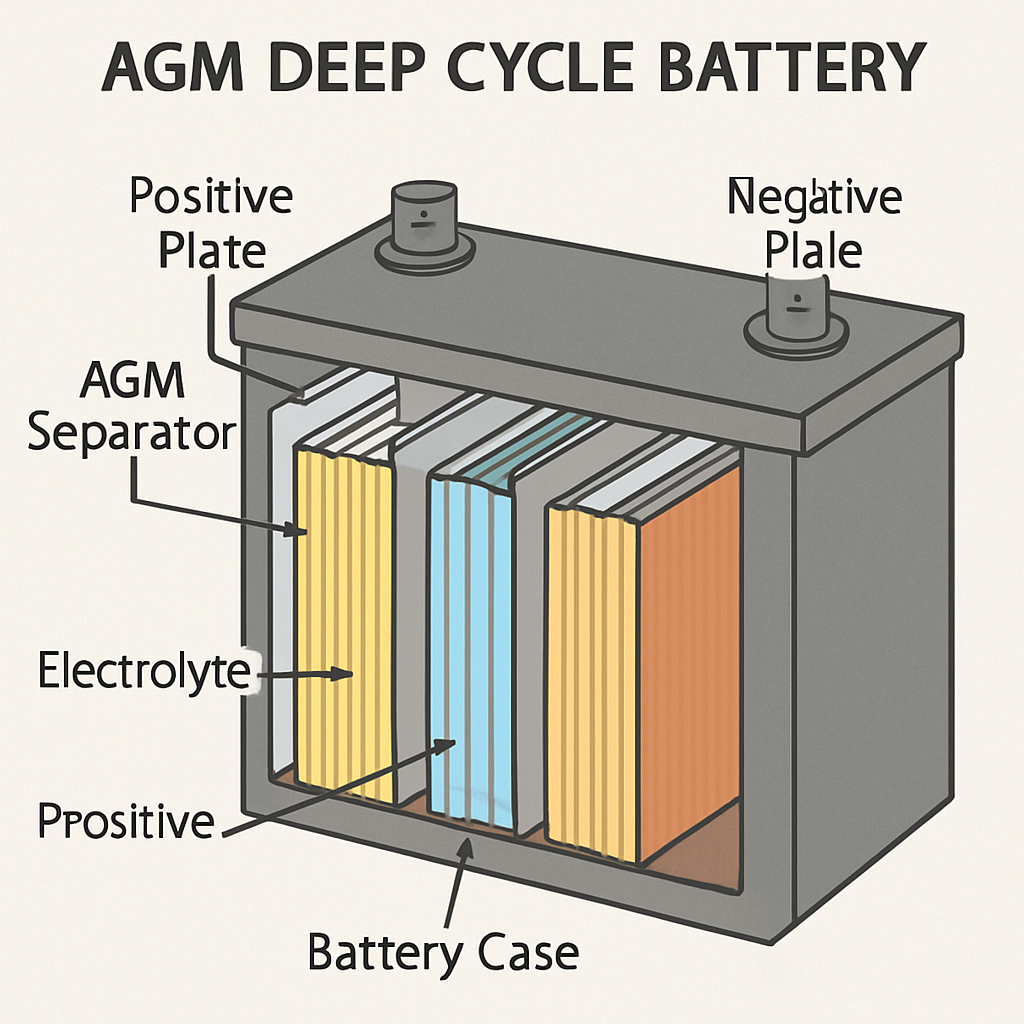
AGM stands for Absorbent Glass Mat, a technology used in deep cycle batteries. Unlike traditional flooded batteries, AGM batteries have a fiberglass mat that absorbs the electrolyte. This design makes them spill-proof and more resistant to vibration, which is why they are often used in environments where reliability and durability are crucial.
Benefits of AGM Deep Cycle Batteries
AGM deep cycle batteries offer several advantages:
- Maintenance-Free: Unlike flooded batteries, AGM batteries do not require regular watering.
- Longer Lifespan: With proper care, they can last up to seven years.
- Fast Charging: AGM batteries can be charged faster than their flooded counterparts.
- Versatility: Suitable for a wide range of applications.
Proper Charging Techniques
One of the most crucial aspects of maintaining AGM deep cycle batteries is ensuring they are charged correctly. Improper charging can significantly reduce battery life.
Use the Right Charger
Always use a charger specifically designed for AGM batteries. These chargers regulate the voltage and current to prevent overcharging, which can damage the battery. A smart charger with a microprocessor is ideal as it adjusts the charge according to the battery’s needs.
Avoid Overcharging and Undercharging
Overcharging can cause the battery to overheat, while undercharging can lead to sulfation, where sulfate crystals form on the battery plates. Both scenarios can drastically shorten the battery’s lifespan. Regularly check your charger settings and monitor the charging process to avoid these issues.
Temperature Considerations
Charging AGM batteries at extreme temperatures can be harmful. Ensure that the battery is charged at a temperature between 50°F and 77°F (10°C to 25°C) for optimal performance.
Regular Inspection and Cleaning
Regular inspection and cleaning are vital for maintaining AGM deep cycle batteries. This helps in identifying any potential issues before they become significant problems.
Visual Inspection
Inspect the battery for any signs of damage, such as cracks or bulges. Also, check the terminals for any signs of corrosion, which can impede performance.
Cleaning the Terminals
Corrosion on battery terminals can lead to poor electrical connections. Clean the terminals periodically using a mixture of baking soda and water. Apply this mixture with a brush, rinse with water, and dry thoroughly. After cleaning, coat the terminals with a thin layer of petroleum jelly to prevent future corrosion.
Proper Storage Practices
If you’re storing AGM deep cycle batteries for an extended period, following proper storage practices is essential to maintain their condition.
Fully Charge Before Storage
Ensure the battery is fully charged before storing it. A fully charged battery is less likely to sulfate, which is a common issue when batteries sit unused for long periods.
Store in a Cool, Dry Place
Store the battery in a cool, dry environment. Avoid areas with high humidity or extreme temperatures, as these conditions can degrade the battery.
Periodic Charging
If the battery is stored for more than a month, charge it periodically to maintain its health. Ideally, charge it every three months to ensure it remains in good condition.
Monitoring Battery Health
Keeping an eye on the health of your AGM deep cycle battery can help prevent unexpected failures and extend its lifespan.
Use a Battery Monitor
Consider investing in a battery monitor. This device provides real-time data on the battery’s voltage, charge level, and overall health, allowing you to address any issues promptly.
Check Voltage Regularly
Regularly check the battery’s voltage with a multimeter. A fully charged AGM battery should have a voltage between 12.8V and 13.0V. If the voltage drops significantly, it may indicate an issue that needs attention.
Troubleshooting Common Issues
Despite taking good care of your AGM deep cycle batteries, you might encounter some common issues. Here’s how to troubleshoot them:
Battery Not Holding Charge
If your battery isn’t holding a charge, it could be due to sulfation. Try charging it with a high-frequency charger designed to break down sulfate crystals. If this doesn’t work, the battery may need replacement.
Reduced Capacity
Reduced capacity can result from repeated deep discharges. To prevent this, avoid discharging the battery below 50% of its capacity whenever possible.
Swelling or Bulging
Swelling can occur due to overcharging or extreme temperatures. If you notice any swelling, stop using the battery immediately and consult a professional.
Conclusion
AGM deep cycle batteries are a reliable and efficient power source when maintained correctly. By following the guidelines outlined in this article, you can ensure your batteries perform optimally and have a long service life. Remember, regular maintenance, proper charging, and timely inspections are key to getting the most out of your AGM deep cycle batteries. With careful attention, you can enjoy their benefits for years to come.