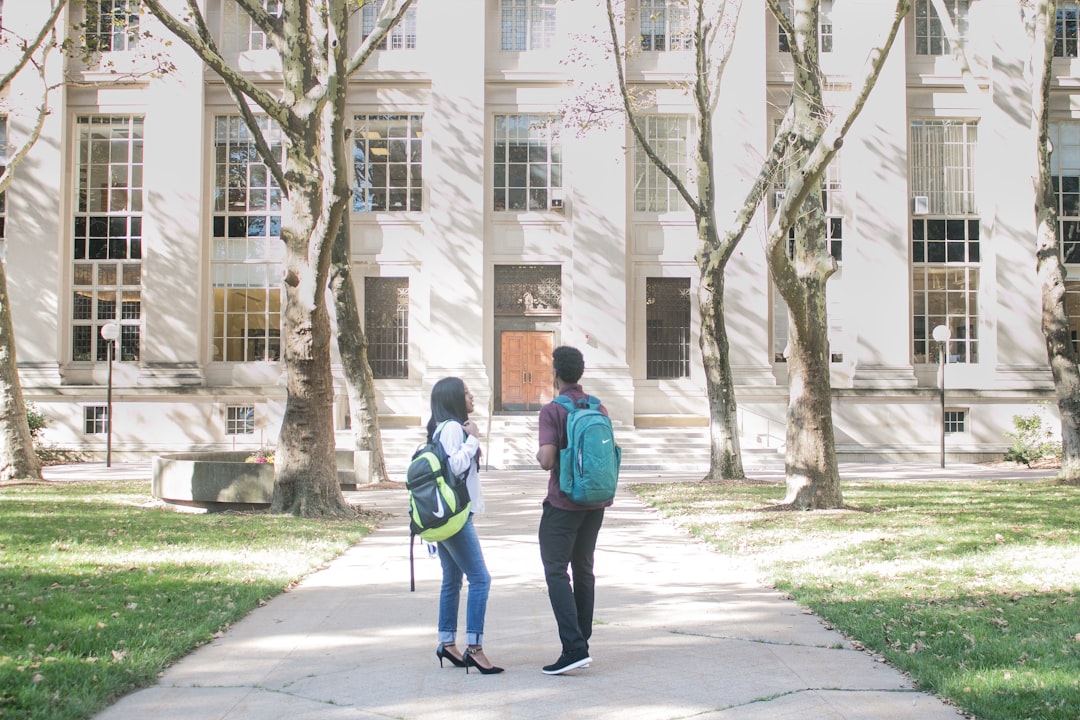
If you’ve been googling residential colleges lately, you’ve probably come across a mixed bag of opinions. Some parents swear by them. Others are convinced they’re overpriced party houses where textbooks go to collect dust. The truth? It’s somewhere in the middle — and a lot more reassuring than you might think.
Myths about residential colleges have a way of spreading fast, especially through word of mouth. A friend of a friend heard something. Someone posted something online. And suddenly you’re second-guessing the whole idea before your kid has even filled out an application.
So let’s set the record straight. Here are six of the most common myths about residential colleges — and what’s actually true.
Myth 1: Residential Colleges Are Too Expensive
This one comes up constantly. And honestly? It’s understandable. When you first see weekly fees ranging from around $509 to $777 at colleges like those on UQ’s St Lucia campus, it can feel like a lot.
But here’s what that price actually includes. Most fully catered colleges bundle in three meals a day, utilities, internet, laundry, pastoral care, academic tutoring, and a whole calendar of events and activities. When you add up what your child would spend on all of that separately — rent, groceries, electricity, Wi-Fi, transport — the gap closes pretty quickly.
There’s also real financial support available. Many colleges offer their own scholarships. Centrelink provides rent assistance for eligible students. And most colleges offer payment plans so you’re not lumping it all into one big bill.
It’s not cheap. But it’s rarely as expensive as people assume once you look at the full picture.
Myth 2: Residential Colleges Are Unsafe or Unsupervised
Picture this: your 17-year-old moves into a college dorm in Brisbane, and you’re in Toowoomba, three hours away. Are they okay? Is anyone looking out for them?
Short answer — yes.
Reputable residential colleges take student safety seriously. Cromwell College, for example, has senior staff living onsite and offers 24/7 care. Many colleges have trained resident advisors, counsellors, and wellbeing programs built right into daily life. International House at UQ is even approved for an under-18 supervision program for students who arrive early.
It’s not a boarding school with strict curfews. But it’s also far from being left to fend for themselves. There are real people — experienced, caring people — keeping an eye on things. And older students in the college often step up too, looking out for first-years and helping them find their feet.
Myth 3: Students Won’t Focus on Their Studies
The assumption goes something like this: put a bunch of 18-year-olds together with no parents around and academics go out the window.
But the data tells a different story. Research consistently shows that students in residential settings are more likely to persist year-over-year compared to those who live off-campus. That’s not a coincidence.
Most colleges actively support academic life. King’s College has a dedicated Centre for Learning. Cromwell offers free, comprehensive tutorials. Many others run structured study programs, peer tutoring, and academic mentoring. Study groups form organically too — when your neighbours are also your classmates, it’s easy to hit the books together.
Yes, there’s a social life. But it’s designed to complement study, not replace it. The structure of college life — regular meals, a campus rhythm, pastoral check-ins — actually helps a lot of students stay on track, especially in that tricky first year.
Myth 4: All Residential Colleges Are Basically the Same
This one couldn’t be further from the truth.
At UQ’s St Lucia campus alone, there are 10 residential colleges — and each one has its own personality, culture, and set of offerings. Some are single-sex. Some are co-ed. Some are faith-affiliated, like Duchesne College with its Sacred Heart values. Others are more secular.
The facilities and programs vary too. King’s College has a pool, a gym, a rowing shed, and a pontoon. Emmanuel College is the oldest co-ed college at UQ and houses over 325 undergraduate students. International House welcomes students from more than 30 countries. Some colleges are fully catered. Others give students more independence in the kitchen.
The point is — there’s genuine variety. Your child’s ideal college depends on their personality, their values, and what kind of environment they’re going to thrive in. It’s worth doing a virtual tour (UQ’s colleges all have one) and, if possible, an in-person visit before deciding.
Myth 5: Residential Colleges Are Only for Students at One University
This surprises a lot of parents. Many assume that if your child isn’t studying at UQ, the colleges on St Lucia campus are simply off-limits.
That’s not always the case.
While most UQ residential colleges primarily cater to UQ students, some do open their doors to students from other Brisbane universities. It’s worth checking the individual college’s website to confirm, because policies differ from one college to the next.
Beyond the university-affiliated colleges, there’s also a wide range of purpose-built student accommodation in Brisbane that welcomes students from multiple institutions. These purpose-built options — many located in the inner city — offer dormitory-style living with communal spaces and a similar sense of community, and they’re genuinely worth exploring if your child is studying somewhere other than UQ.
The short version: don’t assume a particular college or accommodation type is out of reach without checking first.
Myth 6: College Culture Is Just About Partying
Okay. Is there a social life? Yes, absolutely. Brisbane’s residential colleges are known for their inter-college events, sporting competitions, cultural nights, and social calendars that would make your own university years look quiet. That’s part of the appeal.
But “party culture” as the dominant experience? That’s a stretch.
Most colleges are intentional about balance. The same calendar that includes a college formal or a trivia night also includes leadership programs, career mentoring workshops, community service events, and wellbeing check-ins. There’s a reason so many college alumni describe the experience as formative — not just socially, but personally and professionally.
The social environment is real and vibrant. But so is the structure around it.
What Does This Actually Look Like? Two Fictional Scenarios
Scenario 1 — The cost concern:
Imagine a mum from the Sunshine Coast whose daughter, Lily, gets into a nursing program at UQ. Her initial reaction to the $668 weekly fee at one of the fully catered colleges is immediate sticker shock. Then she sits down with the numbers. Private rental near campus: around $250/week for a room in a share house. Groceries: $100-120/week. Utilities, internet, transport: another $80/week. Tutoring, gym membership, other incidentals: add more on top. Suddenly the college fee looks much closer to a private rental — with a lot more included. Lily applied. She’s now in her second year and has no plans to move out.
Scenario 2 — The safety worry:
Imagine a dad from regional Queensland whose son, Jake, is 17 when he starts uni. He’s never lived away from home. His dad is quietly terrified. Jake moves into a college where senior staff live onsite, a trained residential advisor is a few doors down, and older students in the college have already invited him to their study group by the end of week one. Jake calls home every few days — not because he’s struggling, but because he actually has things to talk about.
These are fictional, of course. But they reflect what many families genuinely experience.
Do Your Research — You’ve Got This
Myths thrive when information is hard to find. The reality of residential college life in Brisbane is far more nuanced — and far more positive — than the rumours suggest.
Every college is different. Every student is different. The key is finding the right fit, not writing off the whole idea based on things you’ve heard secondhand.
At [Company Name], we help families navigate exactly this kind of decision. If you’d like a clearer picture of what residential college life in Brisbane actually looks like — including how to compare colleges, what questions to ask, and how to support your child through the application process — we’re happy to help. Reach out to our team and let’s have a chat.