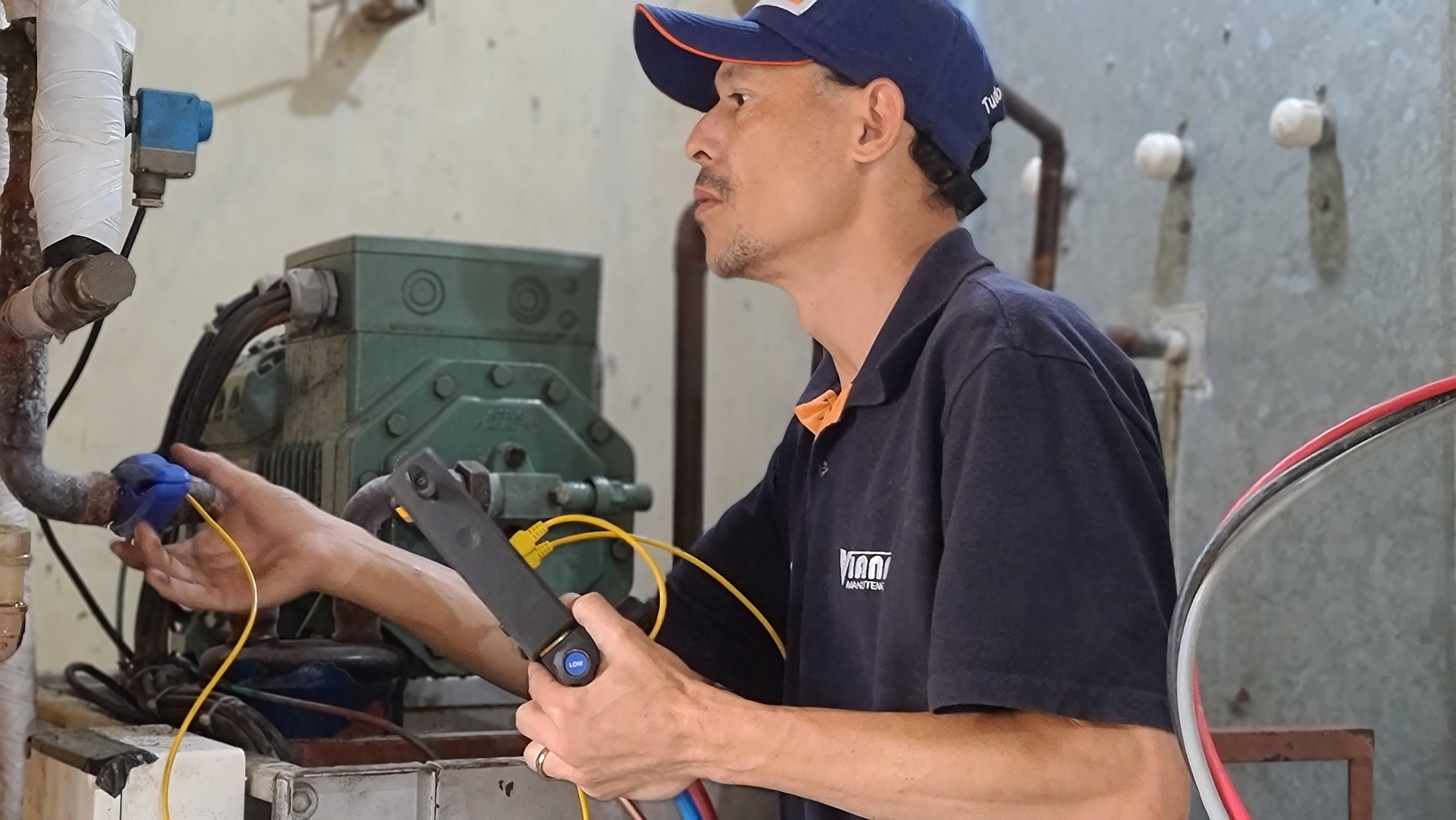
Industrial HVAC Solutions for Regional Queensland Facilities
Running a large industrial site in regional Queensland is tough on HVAC equipment.
Heat builds early. Humidity hangs around. Dust gets into everything. And when ventilation or cooling drops off, the effects show up fast across production, storage, staff comfort, equipment performance, and energy bills. What works in a metro office block often won’t cut it in a regional workshop, processing plant, warehouse, or agricultural facility.
That’s why industrial HVAC solutions for regional Queensland facilities need to be designed for local conditions, not copied from generic specs. By the end of this guide, you’ll know what regional sites need from industrial heating, ventilation, and air conditioning systems, where energy savings usually come from, how better air movement protects both people and operations, and why local support can save you real money when things go wrong.
We’ll keep it practical. No fluff. Just what matters on the ground.
Why Regional Queensland Facilities Need a Different HVAC Approach
Regional Queensland puts more pressure on industrial HVAC systems than many people expect.
It’s not just the temperature. It’s the mix of long hot periods, moisture in the air, airborne dust, and wide-open industrial environments that are hard to cool and even harder to control. A system that looks fine on paper can struggle badly if it hasn’t been matched to the site.
Heat Loads Are Higher Than Many Sites Allow For
Large-scale facilities create their own heat before the weather even gets involved.
Machinery, lighting, people, forklifts, process equipment, compressors, and loading activity all add to the cooling load. On a hot day in regional Queensland, that extra internal heat can push an undersized system past its limits.
Common high-heat facilities include:
- Manufacturing plants
- Warehouses and logistics centres
- Food processing sites
- Cold storage support areas
- Agricultural sheds and packhouses
- Workshops and fabrication facilities
- Data and control rooms within industrial sites
What this means: HVAC design needs to account for both outdoor conditions and the heat your site produces every day.
Humidity Creates Problems Beyond Comfort
Humidity isn’t just annoying. It affects operations.
When moisture levels rise, staff comfort drops, mould risk increases, and some products or materials become harder to protect. In certain facilities, humidity can also affect electronics, stored goods, packaging, and process reliability.
If ventilation and moisture control are poor, you may start seeing:
- Condensation on surfaces or ductwork
- Musty odours
- Corrosion on equipment
- Damp storage conditions
- Reduced indoor comfort
- Extra strain on cooling systems
That matters more than it sounds. A site can feel “cool enough” and still have poor humidity control.
Dust Is Hard on Equipment and Indoor Air Quality
Dust is a constant issue across many regional Queensland sites.
It clogs filters, coats coils, restricts airflow, and reduces system efficiency. In industrial settings, that dust may come from outdoor conditions, raw materials, internal traffic, production waste, or nearby agricultural activity.
Over time, dust build-up can lead to:
- Reduced cooling performance
- Fan and motor strain
- Poor air circulation
- Higher energy use
- More frequent servicing
- Shorter equipment life
Key takeaway: regional HVAC design has to handle heat, humidity, and dust as a package, not as separate issues.
What Strong Industrial HVAC Design Looks Like on a Regional Site
A solid industrial HVAC system does more than blow cold air.
It manages temperature, airflow, ventilation, moisture, and filtration in a way that suits the building, the process, and the local climate. That usually means custom planning rather than off-the-shelf thinking.
Start With the Real Demands of the Facility
Every site runs differently.
A food production facility has different air quality and temperature needs than a welding workshop. A warehouse with high roller-door traffic has different airflow challenges than a sealed electrical room. Good design starts by looking at how the site actually works.
That review should consider:
- Building size and layout
- Heat generated by equipment
- Staff numbers and work zones
- Door openings and loading patterns
- Dust sources
- Sensitive stock or machinery
- Compliance or process requirements
- Peak operating hours
If you only do one thing, do this: make sure HVAC planning is based on real operating conditions, not just square metre estimates.
Zone Control Can Improve Performance Fast
Trying to condition every part of a large facility the same way often wastes energy.
Different areas need different treatment. Offices, production floors, storage zones, control rooms, staff amenities, and plant areas rarely need the same temperature or airflow setup. Zoning lets you direct cooling and ventilation where it matters most.
That can help you:
- Reduce wasted energy
- Improve comfort in key work areas
- Protect sensitive rooms
- Manage high-load spaces better
- Avoid over-conditioning low-use zones
A simple example? Your warehouse may only need broad air movement and ventilation, while your control room may need tight temperature control around the clock.
Equipment Must Be Built for Industrial Duty
Industrial sites need industrial-grade systems. Sounds obvious. It still gets missed.
Light commercial equipment often won’t hold up in harsh regional conditions, especially where there’s dust, long operating hours, or heavy daily load. Industrial HVAC systems are built for stronger output, tougher environments, and more demanding run cycles.
That can include:
- Heavy-duty packaged units
- Large ducted systems
- Evaporative and mechanical ventilation combinations
- Process cooling support systems
- High-capacity extraction systems
- Filtration and make-up air systems
Try this approach next: review whether your current setup is truly industrial-grade or simply a commercial system working beyond its comfort zone.
Energy-Efficient Cooling for Large-Scale Operations
Energy costs bite hard on big sites.
Cooling large industrial spaces can be expensive, especially in regional Queensland where summer heat sticks around and systems run for long hours. The good news is that energy-efficient HVAC doesn’t always mean replacing everything. Often, the biggest gains come from better design, better controls, and fixing the parts of the system that waste power every day.
Where Industrial Sites Usually Waste Energy
A lot of sites lose money through small problems that stay in place for years.
These include poor airflow, dirty coils, blocked filters, leaking ductwork, bad scheduling, outdated controls, and systems cooling areas that don’t need it. Equipment may still be “working”, but it’s doing the job the hard way.
Common energy drains include:
- HVAC systems running outside operating hours
- Cooling empty or low-priority spaces
- Dirty filters and coils reducing efficiency
- Poor building sealing around doors and openings
- Old controls with limited visibility
- Oversized or undersized equipment
- Lack of preventive servicing
What this means: energy waste often hides in daily operation, not just in old equipment.
Smarter Controls Make a Big Difference
Control systems matter more than many facility owners realise.
Programmable controls, sensors, and building management integration can help adjust output based on site conditions instead of running everything flat out. On a large site, that can produce major savings over time.
Useful control upgrades may include:
- Temperature zoning
- Timed schedules
- Occupancy-based operation
- Load-based fan control
- Alarm monitoring
- Remote system visibility
Even small changes here can cut unnecessary runtime.
Airflow Design Is Part of Energy Efficiency
Bad airflow forces cooling systems to work harder.
If air isn’t reaching the right areas, staff complain, hot spots form, and people often respond by turning settings lower than needed. That ramps up energy use without fixing the real issue.
Good airflow design can include:
- Correct diffuser placement
- Better return air pathways
- Destratification fans in high-roof spaces
- Extraction balancing
- Reduced air leakage
- Improved duct layout
Key takeaway: efficient cooling isn’t only about unit efficiency. It’s also about moving air properly through the building.
Quick Wins for Lower HVAC Energy Costs
If you want practical starting points, begin here:
- Replace clogged filters on schedule
- Clean coils and condenser areas
- Check control settings against actual site hours
- Inspect ductwork for losses
- Seal obvious air leaks around openings
- Review whether all conditioned zones need the same setpoints
- Track energy use against production or occupancy patterns
Start with step 1 today: compare HVAC runtime to your real operating hours. Many sites find easy savings there.
Why Industrial Ventilation and Air Quality Matter So Much
Cooling is only half the story.
In many regional Queensland facilities, ventilation is just as important as temperature control. In some cases, it matters more. Good ventilation removes heat, stale air, fumes, moisture, and airborne particles. It helps protect workers, supports compliance, and keeps operations more stable.
Ventilation Protects People and Productivity
Poor air movement wears people down.
Staff working in hot, stale, dusty, or humid conditions fatigue faster and often struggle to maintain output. In processing, manufacturing, and workshop settings, poor ventilation can also affect visibility, comfort, and safety.
Industrial-grade ventilation can help with:
- Heat removal
- Fresh air supply
- Fume extraction
- Dust control
- Moisture management
- Temperature balancing across work zones
That’s not just a comfort issue. It’s an operational one.
Air Quality Affects Equipment and Product Too
Dirty air doesn’t only affect people.
Dust, airborne particles, humidity, and contaminants can interfere with machinery, electrical systems, stored materials, and finished goods. If your site handles food, packaging, agricultural produce, chemicals, or sensitive electronics, indoor air quality becomes even more important.
A well-planned system may include:
- Filtration suited to site contaminants
- Local extraction at source points
- Positive or negative pressure control where needed
- Fresh air make-up systems
- Humidity management
- Regular air path maintenance
Signs Your Ventilation Setup Needs Attention
Some problems creep in slowly.
Watch for these warning signs:
- Persistent hot spots
- Stuffy or stale air
- Dust settling quickly after cleaning
- Condensation or damp areas
- Staff complaints about air quality
- Fumes lingering in work zones
- Mould or odour issues
- Frequent filter blockages
Try this approach next: walk the site during peak operating hours, not just early morning. That’s when ventilation weaknesses usually show up.
Predictive Maintenance vs Reactive Maintenance
This is where many industrial sites either save money or lose it.
Reactive maintenance means waiting until something breaks. Predictive maintenance aims to spot issues early through inspection, monitoring, and trend tracking. For large regional facilities, that shift can dramatically reduce downtime, emergency callouts, and avoidable repair costs.
Reactive Maintenance Costs More Than the Repair
On paper, reactive maintenance can seem cheaper.
You fix things when they fail. Simple. But on an industrial site, the real cost is usually in downtime, lost output, safety risks, spoiled stock, disrupted shifts, and emergency response delays.
A reactive approach often leads to:
- Unplanned shutdowns
- Higher after-hours repair costs
- Repeat faults
- Shorter equipment life
- More pressure on internal teams
- Reduced confidence in site reliability
And when you’re in regional Queensland, delayed access to parts or technicians can make the fallout even worse.
Predictive Maintenance Gives You More Control
Predictive maintenance is about acting before failure.
That may include scheduled inspections, performance testing, temperature checks, vibration monitoring, current draw readings, filter reviews, coil condition checks, and control system alerts. The goal is simple: catch the decline before it becomes downtime.
Benefits include:
- Better planning for repairs
- Fewer breakdowns
- Longer equipment life
- Improved energy performance
- Reduced disruption to operations
- More predictable maintenance budgets
What this means: you stop paying premium rates for preventable problems.
A Practical Industrial HVAC Maintenance Checklist
For many regional facilities, a strong maintenance plan should cover:
- Filter condition and replacement timing
- Coil cleanliness
- Fan and motor operation
- Belt wear and tension where relevant
- Duct and airflow inspection
- Drainage and moisture issues
- Control accuracy
- Alarm history
- Refrigerant performance
- Signs of corrosion or dust build-up
Dense section summary — key takeaway: predictive maintenance reduces downtime because it finds trouble while you still have options.
Why Choosing a Regional Specialist Makes a Real Difference
When an industrial HVAC system goes down, distance matters.
A metro provider might look fine during quoting. Service is where the gap shows. Regional Queensland sites often need fast attendance, practical fault-finding, and technicians who understand local climate pressure, remote logistics, and the demands of industrial environments.
Faster Response Protects Operations
Waiting too long can turn a manageable fault into a serious disruption.
A regional specialist is more likely to reach site sooner, understand travel realities, and plan service support around regional conditions. That matters when cooling, ventilation, or extraction is tied to production uptime.
Local Knowledge Helps With Better System Decisions
Regional experience counts.
A specialist working across inland and regional Queensland facilities will usually have a stronger feel for:
- Heat and dust exposure
- Seasonal load changes
- Common issues on large rural and industrial sites
- Maintenance intervals that suit local conditions
- Equipment choices that hold up better in the region
That often leads to better recommendations, not just faster repairs.
What to Look for in a Regional HVAC Partner
Choose a provider that can support the whole lifecycle, not only emergency work.
Look for:
- Industrial HVAC experience
- Fast regional response capability
- Preventive and predictive maintenance support
- Ventilation and air quality knowledge
- Energy-efficiency upgrade capability
- Clear service communication
- Experience across similar facility types
A good regional partner doesn’t just fix faults. They help prevent the next one.
Final Takeaways for Regional Queensland Facilities
Industrial HVAC in regional Queensland needs to do more than cool a building. It has to manage heat, humidity, dust, ventilation, energy use, and uptime in tough conditions.
Keep these points front of mind:
- Regional sites need HVAC systems designed for local climate and real operating loads
- Energy savings often come from controls, airflow, and maintenance, not just replacement
- Ventilation and air quality are critical for people, equipment, and process stability
- Predictive maintenance usually beats reactive repair on cost and downtime
- Regional specialists can respond faster and build solutions that suit local conditions
Your next step is simple: review whether your current HVAC setup is helping your facility stay efficient and reliable, or just getting by. Start there.
Rcommendation
Alpine Refrigeration & Air Conditioning
41 Brook St, North Toowoomba QLD 4350
https://alpinerefrigeration.com.au
0746178555