The Future of Environmental Controls in Australian Construction
Construction sites are under more pressure now.
Clients expect cleaner work.
Regulators expect tighter control.
That shift is changing how sites operate across Australia. Environmental controls are no longer a side task for the end of the day. They shape planning, procurement, supervision, reporting, and cleanup from the start.
This post explains where environmental controls are heading next. You’ll see the trends driving change, the rules shaping site behaviour, and the tools helping teams work with less impact. You’ll also see why hydro excavation, better data, and proactive spill management will matter more on future projects.
Why environmental controls are changing fast
The old model doesn’t hold up well.
Reactive cleanup costs too much.
Poor site controls cause delays.
And weak records create legal risk.
Australian construction firms now face tighter expectations from clients, councils, contractors, and regulators. A muddy site, an oily drain, or a poorly handled spill can damage more than the ground. It can affect programme, margin, approvals, and reputation.
That’s why the future of environmental controls in Australian construction looks more structured, more visible, and more measurable.
For Australian contractors, this shift matters even more. Local sites often face wet conditions, sloping ground, sensitive waterways, and strict project oversight. Small failures can spread fast. So better controls aren’t just about compliance. They’re about keeping jobs moving.
The future of environmental controls in Australian construction will be proactive
Future-ready sites won’t wait for problems.
They’ll prevent them earlier.
They’ll track them faster.
And they’ll respond with more control.
That change starts with mindset. Environmental management used to be treated as a support task. Now it’s becoming a core site function, much like safety and quality.
You can expect stronger focus on:
- Early risk mapping
- Daily site checks
- Weather-based planning
- Spill readiness
- Drain protection
- Waste segregation
- Faster reporting workflows
This pushes teams toward proactive spill management instead of late reaction. If you already know where fuel, oils, chemicals, and sediment are likely to move, you can plan controls before the first issue hits.
That approach helps minimise water and soil contamination before it becomes a larger cost.
Stricter regulations will shape site behaviour
Rules are getting harder to ignore.
That trend won’t slow down.
If anything, it will deepen.
Environmental obligations in construction already cover waste, stormwater, erosion, sediment, contamination, and incident response. Over time, we’ll likely see stronger enforcement, tighter documentation standards, and more pressure for evidence-based site management.
For Australian builders and civil contractors, that means stronger attention to:
- Spill prevention measures
- Waste handling records
- Site-specific environmental controls
- Stormwater protection
- Lawful disposal practices
- Incident logging and escalation
Regulators want proof, not vague claims. If a site has a spill, teams need to show what happened, when it happened, what was removed, and how harm was limited.
That links directly to regulatory compliance for site spills. Clean response actions matter. But clear records matter too.
For broader Australian guidance, Safe Work Australia remains a useful resource:
https://www.safeworkaustralia.gov.au/
Data and documentation will become standard site tools
Paper forms won’t disappear overnight.
But digital records will take over more tasks.
That shift is already underway.
The future site will document environmental risk in real time. Supervisors will log incidents faster. Photos, timestamps, waste volumes, and response notes will be easier to store and share.
That matters because environmental protection authority (EPA) reporting depends on clarity. A vague summary written hours later won’t help much if regulators or clients ask detailed questions.
Better site data supports:
- Faster incident escalation
- Clearer spill records
- Better disposal tracking
- Stronger audit trails
- Easier client reporting
- More accurate lessons learned
And there’s another benefit. Good documentation improves decisions on site. If you can see repeat spill points, blocked drains, or recurring sediment issues, you can fix the root cause instead of repeating cleanup.
Technology will drive cleaner site management
Technology is changing site work fast.
Some tools improve speed.
Others improve precision.
The best ones do both.
Environmental controls in construction are becoming more technical, not less. Future-focused firms will invest in equipment and systems that reduce disturbance, improve response, and limit waste.
Key technologies already shaping that future include:
- Hydro excavation units
- GPS-based site mapping
- Drone inspections
- Remote water monitoring
- Digital pre-start systems
- Sensor-based tank and bund monitoring
These tools won’t replace site judgement. But they will support better judgement by giving teams better information and cleaner ways to act.
If your current process still depends on guesswork, rough excavation, and delayed reporting, it will look outdated fast.
Why hydro excavation will play a bigger role
Hydro excavation fits the future well.
It’s precise.
It’s controlled.
And it reduces collateral damage.
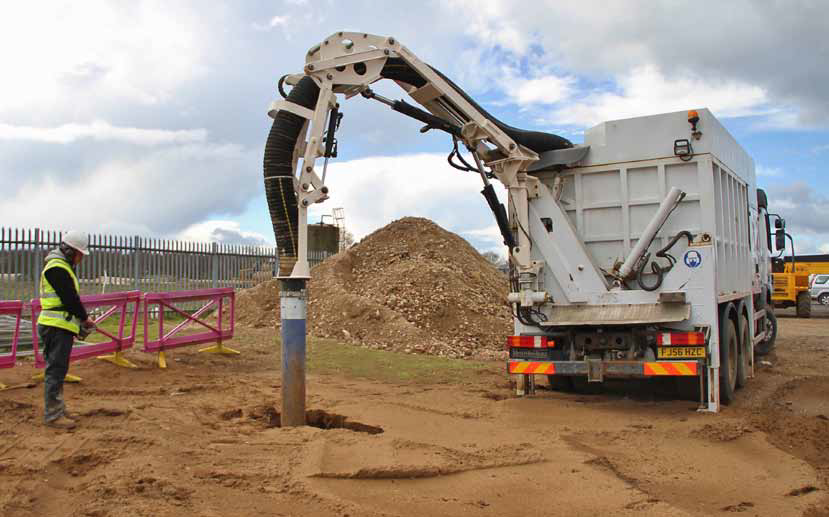
As environmental standards rise, construction teams need excavation methods that disturb less ground and create less secondary risk. Hydro excavation does that by using pressurised water to break up soil and vacuum suction to remove slurry into a sealed tank.
That process helps when sites need to:
- Expose buried services safely
- Recover contaminated soil
- Clean pits and trenches
- Work near drains
- Protect tree roots
- Remove sludge with less spread
Mechanical digging still has a place. But on environmentally sensitive sites, broad force often creates extra waste, extra runoff risk, and extra repairs.
Hydro excavation supports cleaner site management because it helps minimise water and soil contamination during removal work. It also reduces loose spoil on the ground, which supports dangerous run-off protection during wet weather.
Spill response will become faster and more structured
Future projects won’t tolerate messy spill response.
The cost is too high.
The risk spreads too fast.
Construction firms will need tighter systems for dealing with fuels, oils, slurry, chemicals, and contaminated runoff. That means better planning, better training, and faster access to specialist support.
A stronger incident response plan construction teams can actually follow should include:
- Clear escalation contacts
- Defined spill zones and drain risks
- Spill kit locations
- First-response steps
- Drain isolation methods
- Waste recovery procedures
- Reporting requirements
Plans like this need testing. If a team can’t act within minutes, the paperwork isn’t doing enough.
This is where hydro excavation and vacuum recovery methods become more useful. They help recover wet waste, contaminated sediment, and impacted soil with tighter control. That’s especially helpful when you need waste oil and hydrocarbon removal near pits, services, or soft ground.
Sustainable site management will mean less disturbance
The future isn’t just about response.
It’s also about reducing impact before it starts.
That’s where sustainable site management comes in.
On modern construction sites, sustainability will increasingly mean practical control, not abstract claims. Clients will look at what you disturbed, what you protected, what you wasted, and how you documented the result.
That shift will drive stronger focus on:
- Non-destructive digging
- Controlled spoil handling
- Better sediment management
- Reusable site protection systems
- Lower-emission equipment choices
- Better maintenance of plant and storage areas
Less disturbance usually means less cleanup. It also means less waste, less runoff, and fewer surprises during delivery.
If your site methods can reduce over-dig, prevent cross-contamination, and keep drains cleaner, you’re already moving in the right direction.
Wet weather planning will become a bigger priority
Rain changes everything on site.
It exposes weak controls fast.
That’s why future environmental controls will place more weight on rain-readiness. Sites won’t be judged only on what they build. They’ll also be judged on how they control runoff, sediment, and contaminated water during changing weather.
Future planning should include:
- Pre-rain inspections
- Covered or secured stockpiles
- Drain checks
- Bund maintenance
- Pit protection
- Access route stabilisation
- Rapid-response pump and vacuum support
Dangerous run-off protection will become a bigger planning item, not just an emergency measure. Once contaminated water leaves the active work zone, response gets harder, cost rises, and reporting pressure increases.
Smart firms will treat weather as an active project variable, not bad luck.
Clients will expect better environmental performance
This pressure won’t come from regulators alone.
Clients are lifting the bar too.
Large contractors are doing the same.
Tender documents already ask tougher questions about environmental management. That trend will keep growing. Contractors will need to show practical systems, trained crews, and a clear record of site performance.
You may be asked to show:
- Spill response capability
- Waste handling procedures
- Site-specific environmental plans
- Evidence of staff training
- Technology used for control or reporting
- Previous incident improvement actions
That means environmental performance will affect prequalification, project awards, and long-term relationships. Firms that rely on vague commitments will struggle more over time.
Firms that can show real systems, real controls, and real evidence will stand out.
Training will need to become more practical
A binder on the shelf won’t help much.
People need site-ready training.
They need clear actions under pressure.
Future environmental management will depend on crews understanding what to do, not just what the policy says. That means more toolbox talks, more short drills, more visual guides, and more role-based response planning.
Training should focus on practical issues such as:
- Identifying spill risk early
- Protecting drains first
- Safe waste oil and hydrocarbon removal steps
- Segregating clean and contaminated spoil
- Using spill kits properly
- Recording incidents clearly
- Escalating when the issue exceeds site capability
If you’re starting from zero, begin with the highest-risk areas. Fuel storage, washdown zones, plant parking, and low points often deserve attention first.
That’s where future gains are easiest to make.
Environmental controls will become a business advantage
This shift is about risk.
But it’s also about performance.
Cleaner sites often run better.
Good environmental controls reduce rework, improve site presentation, support safer access, and cut disruption after rainfall or spills. They also help defend margins by avoiding avoidable cleanup, disposal, and delay costs.
That makes environmental control a business issue, not just a compliance issue.
Firms that invest in better methods now can benefit through:
- Fewer incident costs
- Less programme disruption
- Stronger client confidence
- Better tender positioning
- Lower waste handling pressure
- Clearer compliance records
You might be wondering whether smaller contractors can keep up. They can, if they start with practical improvements. Better planning, stronger spill readiness, cleaner reporting, and the right specialist support can go a long way before major capital spend is needed.
What Australian construction firms should do now
You don’t need to wait for the future.
You can prepare today.
And the gains can start quickly.
If you want stronger environmental controls on your sites, start here:
- Review your current spill risks
- Check drain and runoff exposure
- Update your incident response plan construction teams use
- Improve site recordkeeping
- Train crews on first-response actions
- Audit waste handling and disposal records
- Add specialist support for high-risk excavation or cleanup
- Consider hydro excavation for sensitive or contaminated work
This kind of review helps you spot weak points early. It also builds a stronger base for regulatory compliance for site spills and cleaner environmental protection authority (EPA) reporting if incidents occur.
Conclusion
The future of environmental controls in Australian construction will be more proactive, more technical, and more accountable. Construction firms in Australia will need stronger planning, faster response systems, better records, and cleaner site methods to keep pace.
Hydro excavation will play a growing role because it supports precision, safer recovery, and less site disturbance. Better training, stronger spill planning, and tighter wet weather controls will matter too. So will early action on waste oil and hydrocarbon removal, dangerous run-off protection, and efforts to minimise water and soil contamination.
Start with your current site risks. Review how your teams respond, record, and recover. Then improve the systems that prevent small issues becoming expensive ones. That’s where the future starts.
Meta title: Future of Environmental Controls in Construction
Meta description: See how Australian construction is shifting toward smarter environmental controls, cleaner site methods, and stronger spill compliance.