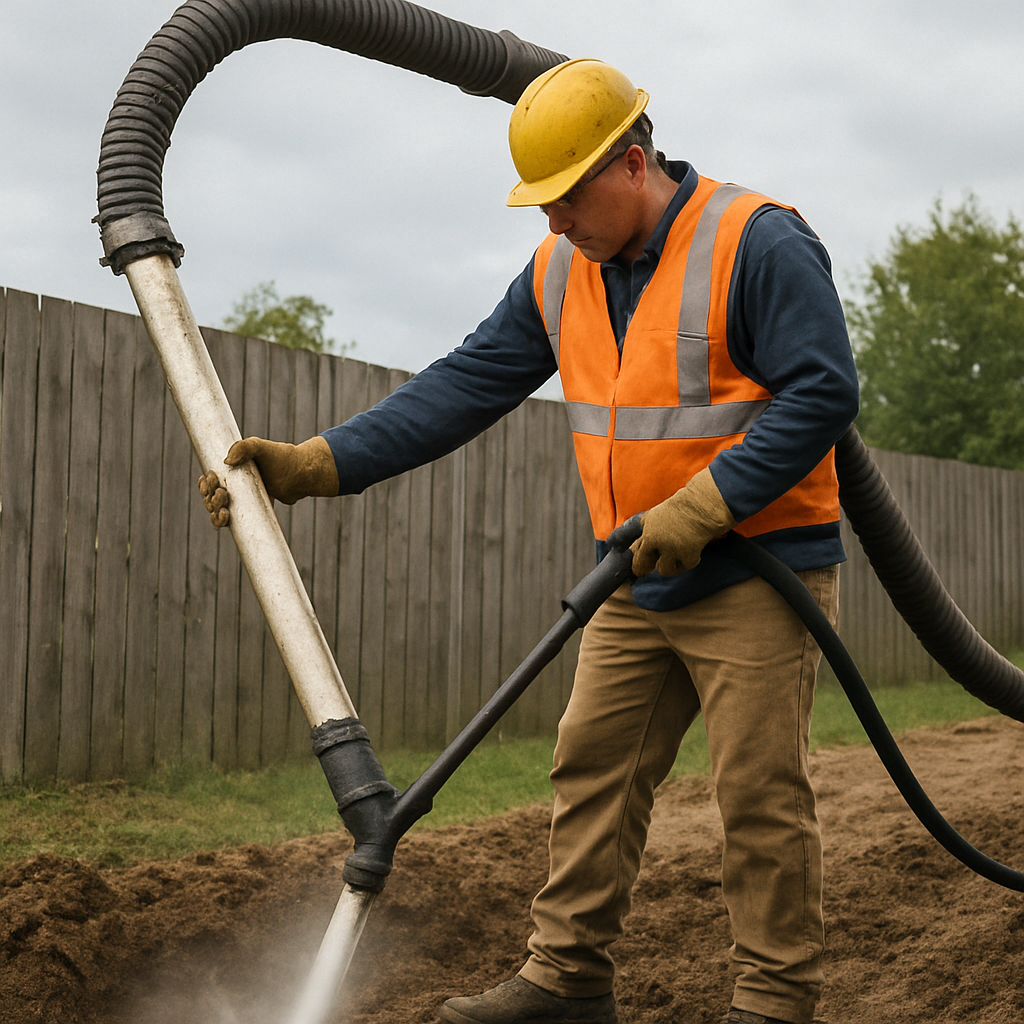
Effective Drain and Pipe Cleaning Solutions for Aussie Construction Projects
If you’ve ever been on a construction site, you know how fast a small drainage issue can turn into a big expensive disaster. A blocked storm water pipe can delay handover, frustrate the client and have your team scrambling to fix a problem that should have been sorted earlier.
This happens all the time. A little mud here. Concrete slurry, there. A pipe left open too long. Then the rain starts, the water backs up and all of a sudden you have flooded areas, delays and additional costs that no one budgeted for.
That’s why it’s so important to clean drains and pipes on construction projects. It’s not just about maintaining water flow. It’s about protecting your timeline, your budget, your crew, and your mind.
In this guide I’ll show you the most common drain problems that plague Aussie sites, the cleaning methods that actually work, and a few practical ways you can stop the mess before it starts.
In this post:
- Why blocked drains can blow out timeframes and budgets
- The most common causes of drain and pipe issues on site
- Cleaning solutions that suit real construction conditions
- Simple prevention tips you can put into practice straight away
Why Clean Drains Matter on Construction Sites
Clean drains don’t get much attention when a project kicks off. Fair enough. You’ve got schedules, trades, deliveries, weather, safety checks, and about a hundred moving parts to manage.
Still, drainage problems have a way of showing up at the worst possible time.
When pipes clog or collapse, everything slows down. Water sits where it shouldn’t. Inspections get delayed. Finished work can get damaged. And fixing it late in the build usually costs far more than dealing with it early.
Preventing handover delays
This is a big one.
Before council or a certifier signs off, your drainage needs to work properly. If pipes are full of silt, rubble, concrete, or site waste, you may not get the clearance you need. Then you’re stuck chasing repairs when you should be wrapping things up.
And let’s be honest, no one wants to cut into fresh concrete or dig up new landscaping because a pipe got blocked weeks earlier.
Staying on top of environmental rules
Site runoff can cause real trouble. If stormwater drains block up and dirty water spills into surrounding areas or local waterways, you’re opening the door to complaints, fines, and a lot of unwanted attention.
Most builders don’t set out to create that problem. It just happens when site drainage gets overlooked.
Keeping drains clear helps your sediment controls do their job and gives you a much better shot at staying compliant.
Keeping the site safer
Water pooling on site isn’t just annoying. It’s risky.
It creates slip hazards, softens ground, affects access, and can make trenches less stable. Machinery doesn’t move well through boggy areas either. Your team loses time, and the site gets more dangerous by the hour.
Clear drains help keep things moving. Simple as that.
Common Pipe and Drain Challenges During Construction
Construction sites are rough on drainage systems. Pipes get left open. Rain washes in debris. Trades work fast. Things get dropped, kicked, rinsed, or forgotten.
It doesn’t take much.
Here are the issues I see most often.
Silt, soil, and mud
This is probably the most common problem on Aussie sites.
We get dry spells, then sudden heavy rain. When that rain hits exposed ground, loose soil and sand wash straight into the drainage system. Once it settles in the pipe, it starts building up fast.
At first, it might only slow the flow. Later, it can block the whole line.
Stormwater systems cop this a lot, especially during civil works and early-stage residential builds.
Concrete, cement, and grout
This one can be brutal.
If concrete slurry or grout gets into a pipe, it doesn’t just wash away. It sticks. Then it hardens. Once that happens, you’re no longer dealing with a simple clean-out job.
Even a small amount can narrow the pipe and catch other debris. Before long, you’ve got a blockage that needs specialist equipment to remove.
A lot of these issues come from poor washout habits or rushed clean-ups near grates and pits.
General construction debris
Open pipes attract rubbish. Always have.
Bits of plastic, brick fragments, gravel, timber offcuts, packaging, and even the odd tool can end up in the line. Once something solid gets caught in a bend or junction, everything else starts building around it.
That’s when minor debris turns into a full blockage.
Ground movement and crushed pipes
Not every drainage issue comes from a blockage.
Sometimes the pipe itself is the problem. Heavy vehicles, poor bedding, shallow installation, or shifting ground can crack, crush, or misalign a line. Water flow slows down or stops, and debris starts collecting inside the damaged section.
You can’t jet your way out of every issue. Sometimes you need to inspect first and repair properly.
Effective Drain and Pipe Cleaning Solutions
When a blockage shows up on a construction site, basic household plumbing gear usually won’t cut it. You need methods that can handle mud, slurry, rubble, and long pipe runs without wasting time.
Here are the solutions that tend to work best.
High-pressure water jetting
If you’re dealing with silt, mud, sludge, or general build-up, high-pressure water jetting is often the first thing I’d look at.
It works by pushing a hose into the pipe and blasting water at high pressure through specially designed nozzles. That pressure breaks up the blockage and washes debris down the line so it can be removed.
It’s fast. It’s effective. And for many sites, it’s the go-to option.
Why it works well:
- Clears silt, sand, mud, and softer blockages
- Cleans the inside of the pipe, not just a small section
- Works well across long pipe runs
- Doesn’t rely on harsh chemicals
For construction projects, that’s a huge plus. You can get the line moving again without tearing half the site apart.
Vacuum loading and non-destructive digging
Jetting breaks things up, but you still need to get the mess out.
That’s where vacuum trucks come in. They suck up water, sludge, sediment, and debris from pits, trenches, and drainage points. If you’ve ever seen a sucker truck on site, you know how handy it can be.
This method suits:
- Flooded trenches
- Sediment pits
- Gross pollutant traps
- Debris removed during jetting
Pair it with non-destructive digging and you’ve got a safer way to expose problem areas without hacking into underground services.
It’s cleaner, faster, and far less stressful than guessing where the issue sits.
CCTV drain inspections
You can’t fix what you can’t see.
CCTV drain inspections let you look inside the pipe with a camera so you know exactly what’s going on. That means no guessing, no random digging, and no wasting money on the wrong fix.
This is especially useful when:
- A blockage keeps coming back
- You suspect pipe damage
- You need proof for handover
- A line runs under a slab, driveway, or finished area
Many councils and authorities also want proper inspection records before sign-off. So this step isn’t just helpful. Sometimes it’s necessary.
And honestly, it gives you peace of mind. You can see the condition of the line for yourself and deal with facts, not assumptions.
Mechanical rodding and milling
Some blockages fight back.
If hardened concrete, thick scale, or tree roots have taken hold, water jetting may not be enough on its own. That’s where mechanical cutting tools come into play.
These systems use rotating heads or cutters to break through hard obstructions inside the pipe. It’s more aggressive, but in the right situation, that’s exactly what’s needed.
This method suits:
- Set concrete inside pipes
- Root intrusion
- Heavy scale build-up
- Tough blockages that won’t shift with water alone
It’s a specialised job, though. You want someone who knows what they’re doing, especially if the pipe material is older or more fragile.
Practical Tips for the Australian Construction Industry
The cheapest blockage to fix is the one you never let happen.
I know that sounds obvious, but on a busy site it’s easy for drain protection to slip down the list. Everyone’s focused on their own tasks. The pipe gets left open. Someone rinses gear in the wrong spot. Rain arrives before anyone’s ready.
That’s how it starts.
Here are a few simple habits that can save you a heap of trouble.
- Cap pipes early: If a pipe opening is exposed, cover it straight away. Don’t leave it until later.
- Protect grates and pits: Temporary drain covers, sediment socks, and filter fabric can catch a lot of rubbish before it enters the system.
- Set up proper washout areas: Concrete, paint, and mortar should never end up near site drains.
- Inspect during the build: Don’t wait until the end. Check drainage after major stages, especially after earthworks or wet weather.
- Use silt control properly: Fences, barriers, and sediment measures only work if they’re installed well and maintained.
- Talk to your trades: A quick reminder at site induction can prevent a costly mistake later.
None of this is complicated. It just needs consistency.
Key Takeaways
If you only remember a few things, make it these:
- Blocked drains can delay handover and blow out costs
- Mud, silt, concrete slurry, and site debris cause most drainage issues
- High-pressure jetting works well for many common construction blockages
- Vacuum trucks help remove debris properly after cleaning
- CCTV inspections show you what’s really happening inside the pipe
- Early prevention beats late repairs every time
Final thoughts
Drainage rarely feels urgent until it becomes a problem. Then it becomes everyone’s problem.
On a construction site, clean drains and clear pipes protect more than water flow. They protect your timeline, your finished work, your compliance, and your team’s ability to keep moving without unnecessary setbacks.
If you’re managing a build right now, it’s worth taking a closer look at your drainage setup before small issues turn into major ones. Cap open pipes. Check your pits. Book inspections at the right stages. And if something feels off, deal with it early.
You’ll save yourself a lot of grief later.