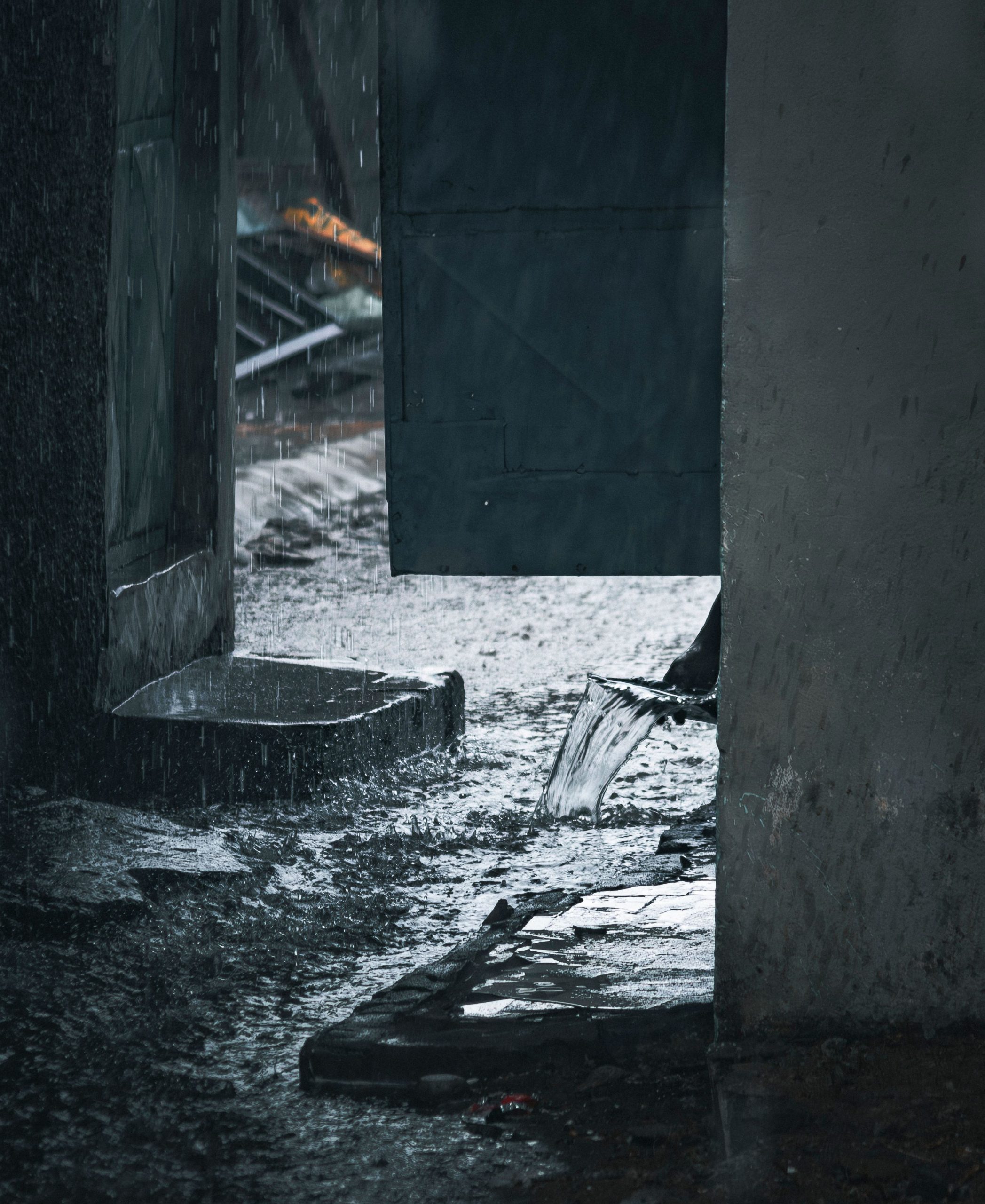
Building in Toowoomba is one of those things that starts with a lot of excitement. You’ve got a block, a plan, and a vision. Then the first big summer storm rolls over the Range and lands on a site full of bare dirt.
Suddenly stormwater management isn’t just a council requirement. It’s the thing standing between your project and a mess of mud, erosion, and very unhappy neighbours.
This guide is for anyone with skin in the game — homeowners watching a new build go up, builders juggling multiple sites, or developers trying to keep things moving without attracting fines. We’ll walk through why rain hits construction sites so hard, what the real risks are, and what actually works to keep water damage and runoff under control.
Construction Site Stormwater Solution Selector
Identify stormwater management options to investigate for your construction project.
Your Stormwater Solution Suggestions
Other options to investigate
Site factors to confirm
Recommended next steps
Important: This tool provides general preliminary guidance only. It does not constitute engineering advice, calculate required tank capacity or confirm compliance with council requirements. Final selection and sizing depend on rainfall data, catchment characteristics, soil and groundwater conditions, design discharge criteria, site loading, applicable standards and approval conditions. Obtain advice from the project engineer and relevant authorities. Check the suitability and availability of products with Tanksite.
Why Rain Hits Construction Sites So Hard
Finished properties handle rain pretty well. Roofs catch it, gutters carry it, lawns soak it up. Construction sites strip all of that away.
Bare Ground Is the Problem
Strip the grass off a block and you've removed the one thing keeping soil in place. Rain hits bare dirt and loosens it instantly. Add machinery compacting the ground — trucks, excavators, bobcats — and water can't soak in. It just races across the surface.
What you're left with is muddy runoff. That's not just dirty water. It's your site leaving without permission.
Toowoomba's Storm Season Makes It Worse
This city gets around 952 mm of rain a year, but the timing is the tricky part. January alone averages 130 mm, and a lot of that arrives in short, violent bursts. We're talking 30-minute downpours, sometimes with hail, sometimes with the tail end of a tropical cyclone thrown in for good measure.
Slow drizzle? Fine. A summer storm over the Range? That's a stormwater management stress test.
Slopes Speed Everything Up
A lot of Toowoomba isn't flat — not even close. Mount Lofty, Rangeville, Middle Ridge, the newer estates at Highfields and Glenvale. There's fall on most of these blocks.
Sloped ground means faster water. Faster water digs channels, moves more soil, and creates water damage problems further downhill. A trickle at the top of the block can look like a small creek at the bottom by the end of a storm.
What Happens When Stormwater Management Is Ignored
Let's be honest about the consequences. Skipping proper drainage controls on a site isn't just a compliance issue. It causes real, costly problems.
Erosion Undoes Finished Work
Erosion on a building site can undermine footings, wash out trenches, and destroy a freshly cut and compacted pad. That's money spent twice. Earthworks are not cheap to redo, and getting the schedule back on track after a big rain event takes time you probably don't have.
Sediment Travels — and So Do Complaints
Fine soil carried in runoff ends up in street drains, on footpaths, and in waterways like East Creek, West Creek, and Gowrie Creek. That sediment smothers aquatic plants and creatures and blocks drainage infrastructure. Council and state environmental agencies notice, and they do issue fines.
Water Damage Risk Doesn't Stop at the Fence
Water that leaves your site doesn't disappear. It flows to the next block, down the street, or up against someone's back wall. Neighbours can face water damage to their property — mud in the yard, blocked drains, moisture getting under their slab — from a site they have nothing to do with.
That's when drainage problems become legal problems.
Safety Gets Messy Too
Mud is slippery. Workers slip on it, machinery slides on it, and trenches full of water can collapse. Water near electrical equipment is a serious hazard. Mud on the road outside the site creates a risk for drivers and cyclists long after the storm has passed.
A Few Hypothetical Scenarios (Clearly Made Up)
The examples below are fictional illustrations — not real people, sites, or builders. They're here to show how these problems usually unfold.
The House Without Downpipes (Fictional)
Imagine a new home going up in Kearneys Spring. Roof's on, but the downpipes aren't tied into the stormwater system yet. The plan is to sort it once the plumber's back on site.
Then January arrives. One big storm sends every drop from that roof straight down beside the slab. By morning there are erosion craters at each corner and a fan of soil across the driveway. Fixing it costs a day's labour and a trip for fill.
Temporary downpipes to a safe discharge point would have taken an hour.
The Sloping Block (Fictional)
Picture a builder clearing a full steep block in Middle Ridge in one go, no catch drain at the top, no silt fence at the bottom.
When the storm hits, water from the street above joins the site's own runoff and tears down the slope. It cuts channels through the prepared pad and dumps red soil across the neighbour's yard. Everyone's annoyed. Work stops while it's sorted out.
A simple drain at the top of the block and a silt fence at the bottom — both inexpensive — would have prevented all of it.
The Muddy Site Entry (Fictional)
A small subdivision near Highfields with constant truck movement and no stabilized entry. Just bare dirt where the site meets the road.
After a wet week, mud tracks 100 metres down the street. Drains block up, complaints come in, and the site manager spends a full day cleaning instead of building.
Stormwater Management Solutions That Actually Work
None of these are complicated. They just need to go in early and be maintained.
Map Out the Water Before You Dig
Where does water come from? Where does it want to go? Where can it legally leave the site? Answer those questions before work starts. Bigger projects need a formal erosion and sediment control plan. Even on a single house block, a rough sketch saves a lot of headaches.
Good stormwater management starts with understanding the site, not reacting to it after it's too late.
Keep Clean Water Out of the Dirty Zone
Water flowing from the road or an uphill neighbour is clean until it crosses your bare soil. Catch drains and small earth bunds can divert it around the work area altogether. Less water through the site means less sediment and less water damage risk downstream.
Slow the Runoff Down
Slow water drops its load. Fast water takes it with it. Builders use a few tricks to cut the speed:
- Check dams — rock or sandbag barriers across drainage lines to break up flow
- Coir logs — rolls of coconut fiber laid across slopes
- Rock-lined channels — especially on steeper sections where water really picks up pace
Trap Sediment Before It Escapes
Even with everything else in place, some sediment will move. The goal is to catch it before it leaves. Common options:
- Silt fences along the low side of the site — fabric fences that let water through but hold soil back
- Sediment traps and basins — hold dirty water long enough for particles to settle
- Drain inlet protection — filter socks, sandbags, or purpose-built covers around stormwater pits and kerb inlets
If you're pumping water from a trench or footing excavation, run it through a filter bag or onto a grassed area first. Don't pump directly to the street.
Build a Proper Site Entry
A coarse rock pad at the site entrance, sometimes paired with a shaker grid, knocks mud off tyres before trucks hit the road. It's one of the cheapest preventive measures on any site and it saves hours of cleanup.
Get Downpipes Connected Early
The moment the roof goes on, the stormwater management equation changes. Roof water is concentrated and heavy. Run temporary downpipes to a stable discharge point as soon as the roof is finished — don't wait for the permanent system to catch up. This alone prevents a significant amount of erosion and potential water damage to the slab area.
Leave Grass Where You Can
Only clear what you need, when you need it. Grass left on parts of the block you're not working on does real work holding soil in place.
Cover stockpiles with plastic sheeting or keep them inside a silt fence. Turf, mulch, or seed finished areas quickly so bare soil doesn't sit exposed through the wet season.
Check Things After Every Storm
Controls that aren't maintained don't control anything. A silt fence knocked over by a delivery truck does nothing. A sediment trap overflowing because it wasn't emptied is worse than useless.
Walk the site after every rain event and look for:
- Silt fences sagging, buried, or torn
- Sediment traps that need emptying
- Mud or dirty water on the road
- New channels or gullies forming on the site
- Blocked drain inlets
Late spring is a good time to audit your setup before storm season hits in earnest.
A Word for Homeowners
If someone else is building your home, you don't need to understand every detail. A few questions will tell you whether the builder has thought this through:
- What's the plan for stormwater management during the build?
- When will downpipes be connected to the drainage system?
- How will mud be kept off the road and away from neighbouring properties?
Any experienced builder should have clear answers. If you notice muddy water running off the site or erosion around the slab, say something early. Water damage from poor site drainage can follow a new home for years.
The Bottom Line
Toowoomba's summer storms, sloped terrain, and clay-heavy soils make stormwater management genuinely important on any construction site. You can't control the weather, but you can control where the water goes.
Plan drainage before you dig. Keep clean water away from bare soil. Slow runoff down, trap sediment, connect downpipes early, and check everything after storms. These steps aren't glamorous, but they protect your site, your budget, your neighbours, and the local waterways.
If you're not sure where to start, a licensed plumber, drainer, or civil contractor can walk your site and give you a straight answer. The payoff — fewer delays, less rework, no fines, and no water damage claims from next door — is well worth a short conversation before the first storm of the season.