
Last month a mum rang me from her car outside a respite house in western Sydney. Her son is 24 and has cerebral palsy. He needs two people for every transfer, and her husband’s back is shot. A provider at an expo had told her to “just apply for SDA, he’ll get it.” She’d lodged eight months earlier with a three-page OT letter and a GP summary. It came back declined, with a decision letter she couldn’t make sense of.
Her son almost certainly does qualify. The application just didn’t show it.
I’ve been writing SDA assessments and helping coordinators pull requests together for a long time. Most of the knockbacks I see have nothing to do with the person missing out on eligibility. The paperwork answered the wrong question, or no question at all. So this is how I’d approach it if it were my family.
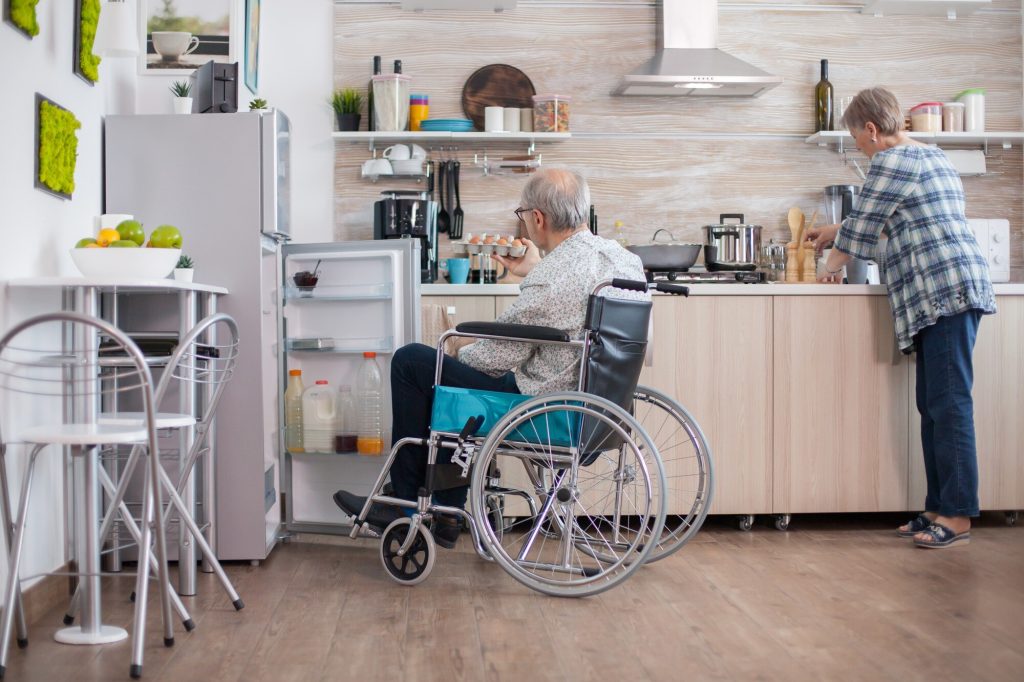
SDA is the building. That’s it.
Specialist Disability Accommodation funds the bricks. The money goes to a registered SDA provider for a home built for people with very high support needs. That could mean ceiling hoists, wider corridors, reinforced walls, a backup power supply or soundproofing.
It doesn’t pay for anyone to support you in that home. Support workers come out of SIL or other core funding, and that gets assessed on its own. I’ve had families get SDA approved, then find a vacancy, and only then learn that the support side hadn’t been sorted. Then they wait again.
You still pay rent too. The reasonable rent contribution is usually 25 per cent of the basic Disability Support Pension, plus any Commonwealth Rent Assistance you get. It’s not free housing. Some families only find that out at the service agreement stage.
And it’s not home modifications. If you want a ramp and a rebuilt bathroom in the house you already live in, that’s a different request.
Most people won’t qualify, and that’s not a judgement on them
The NDIA expects only a small group of participants to be eligible for SDA, around six per cent. I say that early in every first conversation, because a lot of families have been told otherwise by someone with a vacancy to fill.
To get there, the person needs either extreme functional impairment or very high support needs. In plain terms, extreme functional impairment means they need a lot of hands-on help with moving around, self-care or managing their day. Very high support needs means something about their disability can’t be safely managed in an ordinary house. That might be serious behaviours of concern, complex health needs or a high risk of harm to themselves or others.
Then it has to be reasonable and necessary. The NDIA has to be satisfied SDA is the right answer and better value than the other options.
Here’s the part nobody likes hearing. Wanting to move out isn’t enough. Neither is having parents in their seventies, or sitting on a public housing list for six years. Those things are real and they go in the application. They just don’t make someone eligible. If the person could live safely in a standard rental with good supports and a few mods, SDA probably isn’t it, and you’d be better spending the energy on a different home and living request.
The people I see approved tend to look like this: two-person transfers, overnight care, a progressive neuro condition, a brain injury with no safety awareness, or a pattern of holes punched in walls and police callouts that a normal house can’t absorb.
Check the plan before you do anything else
If there’s no home and living goal in the plan, fix that first. It can be as plain as “I want to move out of Mum and Dad’s and live with people my own age.” Without a goal, the NDIA has nothing to hang the funding on.
I’ve had a beautifully evidenced request sit for months because nobody raised the goal at the planning meeting. It’s a boring detail, and it costs people time.
The OT report carries the whole thing
I’m biased, but this is where it’s won or lost.
There’s an NDIA SDA assessment template. Use it. Don’t send a letter, and don’t send a generic functional capacity report with “SDA recommended” stuck on the end.
A report that gets through spells out what the person can and can’t do across a full 24 hours, including overnight. It shows exactly how the current home is failing, with real examples. It names the design category (Improved Liveability, Fully Accessible, Robust or High Physical Support) and the building type, like an apartment, villa, house or group home, plus how many people they could realistically share with. And every one of those recommendations is tied to function.
“High Physical Support recommended” gives the planner nothing to approve. “Requires ceiling hoist for all transfers; current home’s ceiling can’t take a track; mother has had two falls this year during manual transfers” does.
The bit OTs skip most often is alternatives. Why won’t a modified private rental work? Why not a standard shared house with more support hours? Why not stay home with extra overnight funding? If you don’t answer that, the NDIA answers it for you, and usually not in your favour.
Ask the OT how many SDA reports they’ve done and how they went. Plenty of good OTs have never written one. It’s a specialist skill, so it’s fair to ask.
The rest of the folder
The OT report needs backup. If you’re asking for Robust and there’s no behaviour support plan, expect trouble. Get letters from the neurologist, psych or whoever’s actually treating the person. Pull together incident reports, hospital admissions and repair invoices for property damage.
Write a carer statement, and leave the adjectives out. “Exhausted” doesn’t move a planner. “I get up three times a night to reposition him and haven’t slept past 4am since 2022” does. Describe what happens if you get sick or end up in hospital.
Get the person’s own words in there too. A few lines recorded by a support worker is fine. The NDIA wants to hear what they want, not just what the family needs.
The path, roughly
- Get a home and living goal into the plan.
- The OT does the SDA assessment and you collect the supporting reports.
- You or your coordinator lodge a home and living supports request with all of it attached.
- The NDIA may come back with questions. Answer in writing and keep copies of everything.
- If it’s approved, SDA lands in the plan with a design category, building type and location.
- Then you go looking for a matching vacancy, through providers or listings like the Housing Hub.
Please don’t fall in love with a property before approval. I’ve watched families tour a brand-new villa, pick out the bedroom, then get approved for a different category. It’s an awful phone call to make.
Why they come back declined
The report talks about the diagnosis instead of daily function. No alternatives were explored. The category doesn’t match the evidence, like Robust with no documented behaviours, or HPS for someone walking with a frame. Ageing carers are carrying the whole argument. Someone has asked for single occupancy with no reason why sharing won’t work. Or the reports are 18 months old, written before the person’s health changed.
If you get knocked back, ask for the reasons in writing. You’ve got three months to request an internal review. Read the decision line by line, because it usually tells you exactly what was missing. Sometimes a cleaner new request moves faster than a review. A coordinator or advocate can help you decide which way to go.
What I’d do before lodging
- Confirm the housing goal is in the plan.
- Find an OT who has actually done SDA reports.
- Keep a two-week diary of support, overnight included. It’s gold for the OT and the carer statement.
- Put every report from the last 12 months in one folder.
- Talk honestly about sharing and location, and about what the person wants.
- Ignore anyone who says you need to lodge this week because a vacancy is opening up.
That mum from the car park? We’re redoing it properly now. It’ll take a few more months. It would have taken fewer if it had been done right the first time.