
Most of the websites I’m asked to fix in Toowoomba aren’t terrible. They’re just sort of fine. There’s a homepage slider and a stock photo of two people shaking hands. The Services page lists eleven things in dot points, and the contact form emails an address the owner stopped checking in 2021.
Fine doesn’t win much work around here.
I’ve built sites for businesses on the Downs for a long time now: tradies, physios, accountants and a few of the machinery dealers out along the Warrego. The pattern barely changes. The business is good and the reputation’s solid, but the website is the weak link. The owner usually knows it and hasn’t had a reason to deal with it, until a newer competitor starts landing the jobs they used to get.
So this is my honest take on custom web design: what it is, what it should do for a local business, and when you’d be mad to pay for it.
What custom actually means
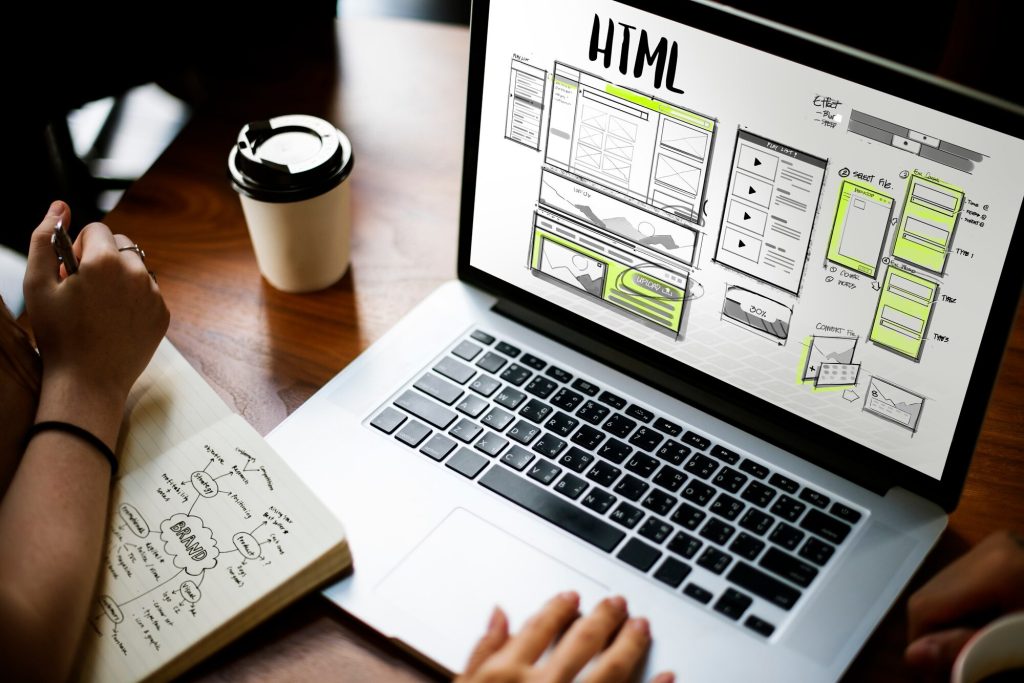
Custom doesn’t mean someone hand-codes every pixel from a blank screen. Some people do. Most good builders, me included, use WordPress, Webflow or Shopify underneath. They’re solid, and you can find someone else to work on them if I ever get hit by a bus.
What makes a site custom is everything on top of that. The pages are planned around your actual work and the way your customers make up their minds. The words are about your business, and if people book online, the booking is built in properly instead of bolted on afterwards.
A template works the other way round. You buy a nice-looking theme, pour your business into it and hope it fits. Sometimes it fits well enough. Often you end up with a “Meet the Team” page for a two-person operation and an “Our Values” section nobody asked for.
Why Toowoomba’s a bit different
Toowoomba’s a big place now, but it still runs on who-knows-who. You get recommended at the Saturday markets, on the sideline at junior footy or by the bloke at the bottle-o. That gets you on the list.
Then they go home and look you up. Hardly anyone rings a business cold, even a recommended one, without having a quick squiz first. If what they find is slow, dated or a bit dodgy, they won’t tell you. They’ll just ring the next name their sister-in-law mentioned.
People here can also pick a business that isn’t local. Stock photos of a glass office tower do nothing for a fencing contractor in Westbrook. Real photos do: your ute, your crew, a job they might have driven past. Naming the places you actually work, like Highfields, Crows Nest, Oakey and Pittsworth, builds more trust than any clever design trick.
I had a concreter come to me a while back. Builders kept referring him, but homeowners would look him up and go elsewhere. His site had one photo of his own work. The rest came from a stock library, and one was clearly shot in America, with a mailbox on a post and a yellow school bus in the background. We spent a weekend photographing driveways and patios he’d poured around Middle Ridge and Rangeville, and changed very little else at first. Enquiries from the site picked up within a couple of months. People just wanted to see it was really him.
What your website is actually for
Forget design awards. For a local service business, a website has two jobs. It should get the right people to contact you, and it should put the wrong ones off before they waste your time.
That second job gets ignored. If you don’t take jobs under $5,000, say so. If you don’t travel past Gatton, say that too. A site that filters out tyre-kickers saves you hours of quoting that goes nowhere.
The stuff that makes the phone ring
- Your phone number at the top, tappable on a mobile
- What you do and where you do it, in plain words, before anyone scrolls
- A short quote form with name, number, suburb and a description of the job, because every extra field loses people
- Reviews and real photos high up the page
- One clear next step on each page, not six buttons fighting each other
A template can do all of that. It usually doesn’t, though, because the owner fills in whatever blocks came with the theme and the important stuff lands wherever there’s room.
Established businesses have a different problem
If you’ve been around twenty or thirty years, trust usually isn’t the issue. The issue is that your site undersells you. A family electrical firm with forty staff and a fleet of vans shouldn’t look like a one-man show on a $20-a-month site builder. Commercial clients and procurement people check these things. So do the young apprentices you’re trying to hire, and that gets overlooked more than anything.
Getting found on Google around Toowoomba
I’ll be straight about SEO, because a lot of rubbish gets sold under that name. A new website won’t put you on page one by itself. Anyone promising that is having a lend of you.
What a properly built site does is give Google something real to work with.
A proper page for each service that matters
If most of your money comes from three or four types of job, each one needs its own page. A single Services page with a dot-point list won’t rank for “switchboard upgrade Toowoomba” or “retaining walls Highfields”. A proper page about that job, written for people round here, at least has a chance.
Your Google Business Profile does a lot of the lifting
For local searches, the map results with the three pins grab a huge share of the clicks. Your Google Business Profile drives those, and your website backs it up. Keep the same business name, phone number and address everywhere. Get reviews on both, and build pages for the areas you service so everything points the same way.
I’ve seen businesses paying someone monthly for SEO while their Business Profile still listed an old Russell Street address. Fix the free stuff first.
Keep it lean
Plenty of themes come loaded with sliders, animations and features you’ll never touch. All of that slows the site down, and slow sites lose visitors and tend to rank worse. A custom build only carries what you actually need.
Most of your visitors are on a phone with average reception
For trades and local services, often two thirds of visitors or more are on mobile. They’re not on office fibre, either. They’re in the ute at a job out past Cambooya, or in the car park at Clifford Gardens waiting for the kids, with two bars of signal and not much patience.
So I design for the phone first. Images get compressed properly. Buttons are big enough for a thumb that’s been laying pavers all day, and your number is always one tap away.
Next time you’re somewhere with patchy signal, open your site and count how long it takes to load. Past three or four seconds, you’re losing people and never hearing about it.
Bookings, quotes and the systems you already use
This is where custom tends to pay for itself fastest, especially once you’ve got a few staff.
For clinics, salons, gyms and anything else by appointment, the site should plug straight into whatever you book through, whether that’s Cliniko, Fresha or Mindbody. Someone lying awake at 10pm with a crook back should be able to book a physio appointment right then. Leaving a voicemail they’ll forget about by morning helps nobody.
For trades, quote requests can go straight into ServiceM8, Tradify, simPRO or your CRM. That way they don’t sit in an inbox for three days while the customer gets a price from someone else.
Depending on the business, a few other things are worth a look:
- Online deposits or payments
- Call tracking, so you know which pages actually bring in work
- Email sign-ups that feed into Mailchimp or similar
- Job galleries your team can update from their phones
You can bolt some of this onto a template with plugins. Then a plugin updates, something breaks, and nobody notices the quote form has been dead for a fortnight. I’ve taken that phone call more than once, and the owner is never happy when they find out.
Thinking a few years ahead
Your business probably won’t look the same in three years. You might open a second site in Dalby, add a service, take on more staff or start selling parts online.
Cheap template sites tend to fall over when you try to grow them. Add a few pages and the layout goes weird. The theme stops getting updates. The bloke who built it has moved to the Sunshine Coast and doesn’t answer his phone.
A decent custom site is built to take more. New pages slot in and look like they belong. Whatever you do, make sure you own the site outright, domain included. I’ve helped businesses claw their own domain name back from a former developer, and it’s a miserable process.
When custom is worth it and when it isn’t
Some rough numbers. A decent template site might cost $1,500 to $4,000. A proper custom site for a local business usually lands between $6,000 and $15,000, and more with ecommerce or complicated integrations. That’s real money, and I’d rather you didn’t spend it if you don’t need to.
Probably worth it if
- An extra job or two a month would pay it off within a year
- You’re up against other local businesses for the same Google searches
- Your jobs are worth decent money, like building, landscaping, health, legal or machinery
- You need bookings, quoting or your CRM to actually work properly
- You’re planning to grow
Keep your money if
You’re just starting out and still working out what you sell. Or you’ve got three big clients who never look at your website, or it’s a side gig. Be honest with yourself, too. If you won’t update the site, answer the enquiries it brings in or send your designer the photos they ask for, a custom build will be wasted.
If you’re brand new, get a clean, simple template up and get on with proving the business. I tell people that regularly and it costs me work. Come back once you know what’s making you money.
Before you hire anyone
Ask to see sites they’ve built for local businesses, then ring one or two of those businesses and ask how it went. Find out who owns the site and domain at the end. Ask what hosting, updates and support cost every year, because that’s where some people get you. And ask how they’ll know whether the site is bringing in work. If all they talk about is how it’ll look, keep shopping.
The last word
Most people in Toowoomba will hear about you from someone they know. Your website is where they decide whether to bother ringing. When it lets you down, nobody complains. The phone just goes a bit quieter, and you put it down to a slow month.
Pull your site up on your phone tonight and try to request a quote in under thirty seconds. If it’s a struggle for you, it’s a struggle for your customers too, so get it sorted before another season goes by.